Fun 88 en México
guía completa de la tragamonedas, su dinámica y sus funciones
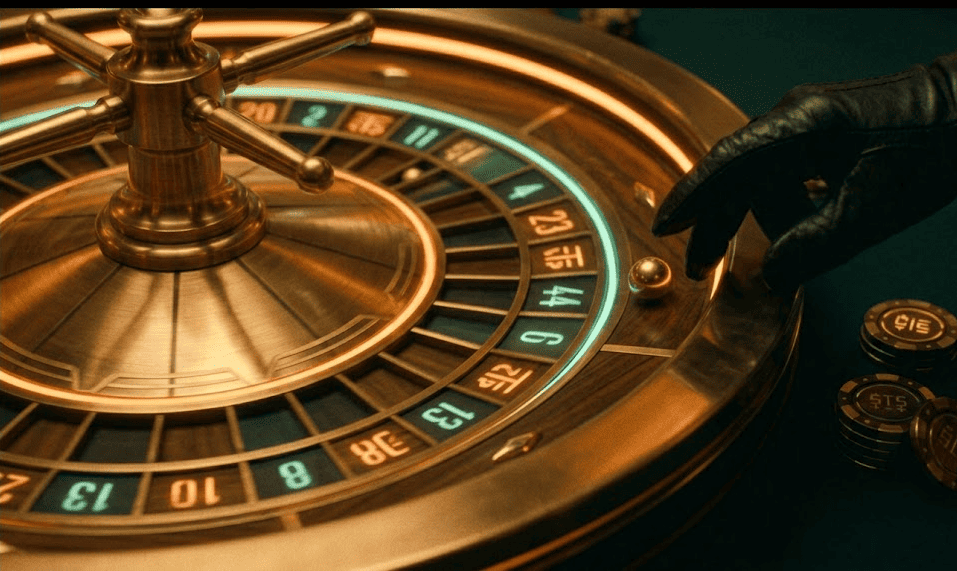
Fun 88 es un nombre que encaja muy bien con una tragamonedas de ritmo directo, lectura simple y una identidad construida alrededor del número 8, que en muchos contextos se asocia con suerte, repetición, equilibrio y ciclos de premio. Justamente por eso, cuando un usuario busca este tipo de juego, casi nunca quiere una explicación excesivamente técnica o llena de lenguaje promocional. Lo que suele necesitar es algo más útil: entender cómo se juega, qué tipo de dinámica puede esperar, qué funciones conviene mirar primero, cómo evaluar una partida en móvil y por qué una tragamonedas con una estética aparentemente sencilla puede esconder bastante profundidad cuando se observa con calma.
En este texto, Fun 88 se aborda como una tragamonedas temática pensada para jugadores que valoran claridad visual, rondas rápidas y una estructura fácil de seguir. La intención no es presentar un entorno de plataforma ni mezclar el contenido con marcas externas, sino desarrollar una guía centrada sólo en el juego. Eso incluye su mecánica base, los símbolos más relevantes, las funciones especiales, el papel del modo demo, las diferencias entre una sesión corta y una larga, y los errores más habituales que conviene evitar. En otras palabras, no se trata de repetir frases genéricas sobre “diversión” y “grandes premios”, sino de construir una explicación realmente útil para una audiencia de México que quiere leer un contenido limpio, original y aplicable.
Una tragamonedas como Fun 88 suele funcionar mejor cuando el jugador entra con una idea clara de lo que está buscando. Hay quienes prefieren un juego muy visual, con colores intensos y símbolos fáciles de identificar. Otros buscan una estructura más controlable, donde cada giro no se sienta completamente caótico. También están quienes quieren alternar entre sesiones de prueba y juego real, usando primero el modo demo para revisar el ritmo del tablero, la frecuencia de los premios pequeños y el verdadero papel de las rondas extra. Este artículo está pensado precisamente para ese tipo de lectura: práctica, estructurada y sin promesas exageradas.
Qué es Fun 88 y cómo se entiende mejor como tragamonedas
Fun 88 se puede entender como una tragamonedas temática basada en una idea simple pero muy reconocible: el número 8 como eje visual y mecánico. En este tipo de propuesta, el juego suele apoyarse en símbolos de fortuna, gemas, monedas, fichas doradas, iconos repetidos y patrones que refuerzan la idea de premio continuo. No hace falta una ambientación extremadamente compleja para que el conjunto funcione. De hecho, uno de los puntos fuertes de una slot como Fun 88 es justamente lo contrario: ofrecer una experiencia clara, con símbolos bien diferenciados y rondas que se comprenden sin tener que estudiar un reglamento largo.
Eso no significa que sea un juego plano. Una tragamonedas con este nombre puede apoyarse en varios elementos que cambian bastante la sensación de cada sesión: multiplicadores, símbolos especiales, rondas de giros gratis, casillas de premio rápido o funciones extra ligadas a la repetición del número 8. Cuando estos componentes están bien distribuidos, el juego consigue algo importante: parecer accesible al principio, pero seguir siendo interesante después de varias rondas. Para muchos jugadores en México, esa combinación resulta especialmente atractiva, porque permite abrir el juego, entenderlo rápido y decidir con cierta facilidad si vale la pena quedarse más tiempo o no.
La clave está en no mirar Fun 88 como si fuera una tragamonedas cualquiera con un nombre vistoso. Si el diseño está bien planteado, el “88” no debería ser sólo un adorno del título, sino un recurso que se integra en la lógica del juego. Puede aparecer en multiplicadores, en reglas de activación, en rondas especiales o incluso en la estructura de premios intermedios. Cuando eso ocurre, el conjunto gana identidad propia y deja de sentirse como una simple variación visual sobre una mecánica genérica.
- Nombre fácil de recordar y con fuerte identidad temática.
- Mecánica ideal para sesiones rápidas y lectura visual clara.
- Posibilidad de integrar símbolos de fortuna, monedas y gemas.
- Buen encaje con móvil por su estructura directa.
- Atractivo tanto para principiantes como para usuarios habituales.
- Capacidad de mezclar simplicidad base con funciones extra bien visibles.
Esta combinación de sencillez y carácter es lo que hace que un juego como Fun 88 pueda funcionar bien dentro de una estrategia SEO y también como experiencia real de uso. El jugador entiende rápido de qué va el título, pero al mismo tiempo tiene suficientes motivos para explorar un poco más antes de sacar conclusiones definitivas.
Cómo suele funcionar la mecánica principal de Fun 88

Una tragamonedas de este estilo normalmente se apoya en una estructura clásica de carretes o en una cuadrícula compacta con lectura inmediata. El objetivo no suele ser impresionar con una arquitectura gigantesca, sino con una relación clara entre símbolos, premios y eventos especiales. El jugador entra, ajusta su apuesta, hace girar los carretes y observa si se activan combinaciones comunes, multiplicadores o una función de mayor valor. Esta forma de jugar es importante porque reduce la fricción. No obliga a memorizar demasiadas reglas ni a navegar por capas de menús internos.
En Fun 88, la experiencia suele descansar en tres niveles. El primero es el giro base, donde aparecen combinaciones normales y premios pequeños o medios. El segundo es la intervención de símbolos especiales, que pueden actuar como comodines, disparadores o expansores de valor. El tercero es la ronda o mejora adicional, donde el título muestra su identidad propia: repeticiones del 8, giros gratis, multiplicadores escalonados o mecánicas que elevan el pago cuando varios símbolos coinciden en una misma secuencia. Es precisamente este tercer nivel el que marca la diferencia entre una tragamonedas olvidable y una que merece varias sesiones de prueba.
| Elemento | Qué representa | Cómo afecta la sesión | Qué debería mirar el jugador |
|---|---|---|---|
| Giro base | La ronda principal del juego | Determina el ritmo general y los pagos más frecuentes | Frecuencia de premios pequeños y velocidad del resultado |
| Símbolos altos | Los iconos de mayor valor | Dan forma a los premios más visibles fuera del bonus | Cuánto pagan y con qué facilidad aparecen |
| Símbolos bajos | Cartas, números o iconos secundarios | Sostienen la base del juego y la continuidad visual | Si realmente ayudan a mantener viva la sesión |
| Comodín | Símbolo que sustituye a otros | Puede mejorar bastante una ronda normal | En qué carretes aparece y si paga por sí mismo |
| Scatter o disparador | Símbolo de activación | Abre la puerta a giros gratis o funciones de premio | Cuántos se necesitan y con qué frecuencia salen |
| Multiplicador | Factor que aumenta una ganancia | Puede convertir una ronda normal en una jugada fuerte | Si aparece en juego base, bonus o ambos |
| Función 88 | Identidad temática del juego | Da coherencia al concepto y a las rondas especiales | Si el número 8 es sólo decorativo o realmente útil |
La gran ventaja de esta estructura es que permite una lectura rápida sin eliminar por completo la expectativa. El jugador puede seguir la ronda sin esfuerzo, pero al mismo tiempo sabe que cada giro tiene varias capas posibles. Esa es una de las razones por las que Fun 88 puede encajar muy bien con sesiones móviles o con jugadores que prefieren un contenido más directo, pero no completamente básico.
Los símbolos más importantes y cómo leer su valor
En una tragamonedas con identidad fuerte, los símbolos no son sólo un relleno visual. Funcionan como una guía para entender el comportamiento del juego. En Fun 88, lo más lógico es encontrar una mezcla entre iconos de fortuna, elementos dorados, monedas, gemas, números y cartas de valor bajo. Esta distribución responde a una lógica habitual: los símbolos temáticos marcan los pagos altos y refuerzan la estética, mientras que los iconos más simples sostienen la base del juego.
Lo que conviene recordar es que un símbolo alto no necesariamente aparecerá con frecuencia. Por eso, el análisis del juego no debe quedarse sólo en “qué icono paga más”, sino en “qué iconos aparecen con la suficiente regularidad como para dar forma a la sesión”. En algunos juegos, los símbolos medios son más importantes que los máximos porque son los que permiten que el saldo dure más. En otros, casi todo depende del bonus. La calidad de una tragamonedas no está en que muestre símbolos bonitos, sino en que cada nivel de pago tenga un papel coherente.
| Grupo de símbolos | Ejemplo temático en Fun 88 | Papel dentro del juego | Importancia práctica |
|---|---|---|---|
| Símbolos premium | Moneda dorada, joya roja, emblema 88 | Concentran los pagos altos | Claves para giros fuertes fuera de bonus |
| Símbolos medios | Lingote, gema verde, sello ornamental | Dan cuerpo a premios intermedios | Suelen determinar si la sesión se siente viva |
| Símbolos bajos | Letras, números o fichas sencillas | Forman la base del juego | Importan más de lo que parece en sesiones largas |
| Comodín | Wild 88 o icono brillante | Sustituye símbolos y mejora líneas | Puede cambiar mucho el valor de un giro normal |
| Disparador | Scatter con doble 8 o rueda luminosa | Activa giros gratis o ronda especial | Es el símbolo más observado durante la sesión |
| Multiplicador especial | 8x, 18x, 88x u otros factores temáticos | Eleva el premio final | Da identidad propia al juego |
Mirar la tabla de este modo ayuda a no caer en una lectura superficial. Una tragamonedas temática como Fun 88 puede parecer muy sencilla al principio, pero una vez que separas sus símbolos por función, la mecánica se vuelve mucho más clara. Eso es útil tanto para quien juega por primera vez como para quien ya tiene experiencia con slots de ritmo medio.
Bonus, giros gratis y la posible función del número 88

Una parte importante de la personalidad de Fun 88 debería estar en sus funciones especiales. Si el juego usa el “88” sólo como recurso gráfico, el título pierde fuerza. En cambio, si el número se convierte en una regla real —por ejemplo, multiplicadores relacionados con 8, activaciones tras reunir ciertos símbolos o premios escalonados en la ronda extra— entonces la tragamonedas gana una identidad mucho más sólida. Este punto importa bastante porque la temática debe sentirse dentro del juego, no sólo en la portada.
En una versión bien construida, los giros gratis serían la función natural del título. Pueden aparecer tras reunir símbolos especiales, tras completar una combinación ligada al 8 o como resultado de una rueda o selector adicional. También tiene mucho sentido que el bonus combine giros gratis con multiplicadores crecientes, porque esa fórmula encaja bien con la idea de una slot que no quiere ser caótica, sino progresiva. En lugar de lanzar todas sus funciones a la vez, las distribuye en una secuencia clara que el jugador puede seguir sin perderse.
- Giros gratis como premio principal de la ronda bonus.
- Multiplicadores inspirados en el número 8 como elemento distintivo.
- Acumulación gradual del valor del giro en vez de un solo salto brusco.
- Símbolos especiales fáciles de identificar desde el primer momento.
- Posibilidad de que el bonus cambie el ritmo del juego sin romper su claridad.
- Mayor valor cuando la estética y la mecánica trabajan juntas.
El mejor bonus no es necesariamente el más escandaloso, sino el que se entiende rápido y realmente cambia la sesión. En un juego como Fun 88, una ronda extra bien diseñada debería dar la impresión de que todo lo visto en la fase base estaba preparando ese momento. Si no genera esa sensación, entonces el bonus se vuelve sólo un adorno y el título pierde parte de su carácter.
Modo demo y por qué conviene usarlo antes de sacar conclusiones
El modo demo sigue siendo una de las herramientas más subestimadas en las tragamonedas. Muchas personas lo ven sólo como una versión “sin emoción”, cuando en realidad cumple una función bastante más útil: permite ver si el juego encaja contigo antes de introducir la presión del dinero real. En Fun 88, esto es especialmente importante porque el juego se apoya en una identidad visual fuerte y en funciones que, a simple vista, pueden parecer más frecuentes o más potentes de lo que realmente son en una sesión normal.
Probar la demo de Fun 88 sirve para varias cosas. Primero, para revisar la claridad del tablero y de los símbolos en pantalla pequeña. Segundo, para ver qué tan fluida es la secuencia entre giro normal y función especial. Tercero, para medir si el bonus se siente equilibrado o si llega de manera demasiado espaciada para tu gusto. Y cuarto, para decidir si el ritmo general del juego encaja con el tiempo que quieres dedicarle. Ninguna reseña sustituye esta prueba, porque cada persona percibe la velocidad y la estructura de manera distinta.
| Aspecto | Lo que aporta el modo demo | Lo que no puede garantizar | Valor real |
|---|---|---|---|
| Comprensión del juego | Permite aprender símbolos, líneas y funciones | No asegura resultados futuros | Muy alto para principiantes |
| Ritmo | Ayuda a medir si el juego es cómodo o demasiado rápido | No define cómo te sentirás con dinero real | Alto para elegir sesiones móviles |
| Bonus | Deja ver cómo se activa y cuánto cambia la ronda | No convierte la función en predecible | Muy útil para evitar falsas expectativas |
| Pantalla móvil | Permite comprobar lectura y botones | No elimina fallos de conexión externa | Clave para usuarios de smartphone |
| Selección del juego | Ayuda a decidir si Fun 88 encaja contigo | No dice si será tu slot favorita a largo plazo | Ideal como filtro inicial |
En resumen, la demo no sirve para adivinar nada. Sirve para leer. Y en una tragamonedas con nombre tan directo como Fun 88, leer bien el juego antes de exigirle demasiado es probablemente la forma más inteligente de empezar.
Cómo encaja Fun 88 con distintos perfiles de jugador
No todas las tragamonedas sirven para todo el mundo, y eso también es parte de su valor. Fun 88 encaja mejor con ciertos perfiles que con otros. Suele resultar cómoda para principiantes porque su identidad es clara, los símbolos son fáciles de seguir y el concepto general no exige una curva de aprendizaje larga. También puede funcionar bien para usuarios móviles, que suelen preferir juegos donde la ronda se entienda de un vistazo y no dependa de pantallas llenas de submenús.
En cambio, quien busca una tragamonedas extremadamente compleja, con varias etapas internas, medidores, colecciones o sistemas de progresión muy largos, quizá no encuentre aquí lo que quiere. Fun 88 parece más adecuada para quien valora el equilibrio entre claridad, tema reconocible y rondas con potencial de sorpresa sin que el tablero deje de ser legible. Esa es precisamente la clase de juego que suele sostenerse bien en mercados donde el móvil y la rapidez pesan mucho en la experiencia diaria.
- Principiantes que necesitan una slot fácil de leer.
- Usuarios móviles que priorizan rapidez y botones claros.
- Jugadores de sesiones cortas que no quieren perder tiempo aprendiendo reglas.
- Perfiles intermedios que disfrutan bonus visibles y multiplicadores temáticos.
- Jugadores que valoran una identidad visual concreta y coherente.
Esto no significa que Fun 88 sea un juego “simple” en sentido negativo. Significa que su complejidad está bien dosificada. Y para muchos usuarios, especialmente en contenido SEO pensado para México, esa dosificación es una ventaja más que una limitación.
Errores comunes al jugar una tragamonedas como Fun 88

Hay varios errores que se repiten mucho cuando se entra a una slot con un nombre llamativo y una estética tan directa. El primero es suponer que, como se entiende rápido, no hace falta leer nada. El segundo es entrar con una apuesta demasiado alta porque el juego parece “amigable”. El tercero es perseguir la ronda bonus como si su activación fuera inminente sólo porque el tema del juego resulte estimulante. Y el cuarto es no separar una sesión de prueba de una sesión real, mezclando ambos objetivos desde el principio.
- 01.No revisar el valor de los símbolos antes de sacar conclusiones.
- 02.No distinguir entre un premio vistoso y un juego realmente equilibrado.
- 03.No usar el modo demo cuando el título es nuevo para ti.
- 04.No ajustar la apuesta al tiempo real que quieres dedicarle.
- 05.No aceptar que una tragamonedas de ritmo rápido exige más disciplina, no menos.
- 06.No dejarte arrastrar por la estética del 88 si el comportamiento del juego no encaja contigo.
Evitar estos errores no requiere una estrategia compleja. Basta con algo muy básico: leer, probar, ajustar la sesión y terminar cuando el juego ya no se alinea con tu plan. Si se hace así, Fun 88 gana bastante como experiencia, porque su mayor fuerza está en la claridad. Y la claridad se aprovecha mejor cuando también el jugador entra con un criterio claro.
Conclusión
Fun 88 funciona mejor como una tragamonedas de identidad directa, ritmo ágil y funciones suficientemente visibles como para resultar atractiva sin volverse confusa. Su mejor versión es la de un juego que toma una idea simple —la fuerza visual y temática del número 8— y la convierte en algo más que un nombre bonito. Cuando el título integra bien sus símbolos, sus multiplicadores y su ronda extra, el conjunto gana personalidad y deja de parecer una slot genérica con un envoltorio llamativo.
Para una audiencia de México, esta clase de juego puede tener mucho sentido porque se adapta bien a sesiones móviles, permite una lectura rápida y ofrece una estructura fácil de entender desde los primeros giros. Aun así, su valor real no está en la apariencia, sino en cómo cada jugador decide abordarla. Si primero se prueba el demo, se revisa la lógica de símbolos y se ajusta el tiempo de sesión, Fun 88 puede convertirse en una tragamonedas muy sólida dentro de su estilo. Si se entra sin ese filtro, se corre el riesgo de reducirla a una simple portada. Y sería una lástima, porque precisamente lo más interesante de este tipo de juego está en cómo usa su simplicidad a su favor.
FAQ
¿Qué tipo de juego es Fun 88?
Fun 88 se entiende mejor como una tragamonedas temática, pensada para combinar una estética basada en el número 8 con giros rápidos, símbolos de fortuna y funciones especiales fáciles de seguir.
¿Fun 88 es una slot complicada?
No suele percibirse como una tragamonedas compleja. Su principal ventaja es que se entiende rápido, aunque puede incluir suficientes funciones para mantener el interés durante varias sesiones.
¿Qué hace diferente a Fun 88 frente a otras tragamonedas visuales?
Su identidad gira alrededor del 8 como símbolo de suerte y repetición. Cuando esta idea se integra en multiplicadores, bonus o activaciones, el juego gana una personalidad mucho más clara que la de una slot genérica.
¿Conviene probar la demo antes de jugar?
Sí. La demo ayuda a entender el ritmo, la claridad de los símbolos, la frecuencia del bonus y la comodidad del juego en móvil, sin la presión de una sesión real.
¿Fun 88 funciona bien en teléfono?
Por su estructura directa y su identidad visual marcada, es un tipo de tragamonedas que encaja bien con el uso móvil, siempre que los botones, el texto y las funciones especiales se lean con comodidad.
¿Qué debería mirar primero al abrir Fun 88?
Conviene revisar la tabla de símbolos, la apuesta mínima, la lógica del comodín, la forma de activar el bonus y el papel del número 8 dentro de la mecánica real del juego.
¿Es una buena tragamonedas para principiantes?
Puede serlo, sobre todo si el jugador busca una slot clara, temática y sin una curva de aprendizaje larga. Aun así, sigue siendo útil empezar con una prueba y no con una apuesta alta.
¿Cuál es el error más común al jugar Fun 88?
El error más habitual es confiarse por su estética sencilla y entrar sin leer las funciones. Justo porque parece un juego fácil, muchos usuarios no se detienen a revisar cómo se comporta realmente.